Summary

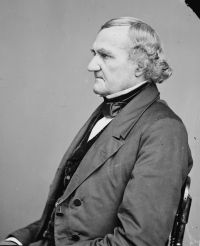
Portrait of John Catron John Catron Marshall v. Beall — Opinion of the Court

Upon overruling the demurrer of Marshall to the bill of interpleader, he should have been held to answer, and the case was not ready for a final decree against him. The demurrer itself was good, and ought to have been sustained. This was no regular bill of interpleader. Such a bill only lies where a person has to pay money and is at a loss to whom it ought to be paid.
Source: Wikisource

Portrait of John Catron John Catron Marshall v. Beall — Opinion of the Court

The use of the land was fairly divided; and of the debt from Glover the wife very generously gave the husband the larger portion, 'to his sole and separate use, free and clear of the marriage contract of 1830.' And then she reserved to herself the smaller judgment of fifteen hundred dollars, in very nearly the same language; the trustee was to hold executors, administrators, and assigns, free and clear from any control or demand of the said Robert Marshall.' The wife retained the power of appointment in regard to the land and the fund, but failed to exercise the power.
Source: Wikisource

Portrait of John Catron John Catron Marshall v. Beall — Opinion of the Court

But upon referring to the order of the court, it appears that Marshall had set the cause down for hearing upon the demurrer, &c., and therefore waived all such irregularity. If he chooses to rest his case upon his demurrer, he may do so.
All the questions now involved could not have been raised in a court of law when Marshall sued for the four hundred dollars.
When a married woman has separate property, the question whether the rights of the husband are destroyed, or only suspended, must depend upon the instrument which they execute, as the interpreter of their intentions.
Source: Wikisource

Get perspective with Kwize: daily news enlightened by great literature