Summary

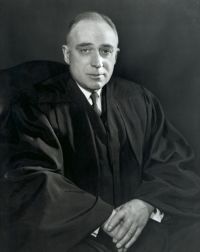
Portrait of John Marshall Harlan II John Marshall Harlan II Darwin v. Connecticut — Concurrence

It then admitted his third confession. The Connecticut Supreme Court, affirming, evaluated petitioner's third confession by the rules that had been applied to the other two; finding that the atmosphere had changed enough to tip the balance in favor of voluntariness, it found this confession admissible. I do not think this reflected a proper approach to the problem of multiple confessions.
A principal reason why a suspect might make a second or third confession is simply that, having already confessed once or twice, he might think he has little to lose by repetition.
Source: Wikisource

Get perspective with Kwize: daily news enlightened by great literature