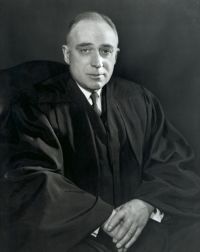
 John Marshall Harlan II,
Sibron v. New York — Concurrence
John Marshall Harlan II,
Sibron v. New York — Concurrence
“ The State of New York has made a deliberate effort to deal with the complex problem of on-the-street police work. Without giving carte blanche to any particular verbal formulation, we should, I think, where relevant, indicate the extent to which that effort has been constitutionally successful. The core of the New York statute is the permission to stop any person reasonably suspected of crime. Under the decision in Terry a right to stop may indeed be premised on reasonable suspicion and does not require probable cause, and hence the New York formulation is to that extent constitutional. ”
