Summary

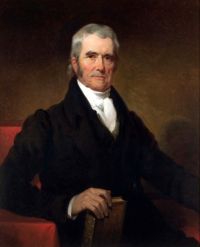
Portrait of John Marshall John Marshall Royal Naval Biography — Bowker… (1823)

After finally subduing the enemy’s ship, and getting her clear of the Mars, Lieutenant Bowker and his followers, only one of whom was wounded, had to contend with an alarming fire in four different places; and from the great quantity of powder which they found, at day-light, had been spilled on various parts of l’Hercule’s decks, it may fairly be inferred that she was only saved from being blown up by the bodies of the killed and dying Frenchmen lying so thick in all directions as to prevent the formation of a continued train to the magazine.
Source: Wikisource

Portrait of John Marshall John Marshall Royal Naval Biography — Bowker… (1823)

Not one of his fellow-cruisers being then in sight, and fearing the enemy would effect their escape, if not intimidated from coming out, he instantly adopted the expedient of hoisting flags and firing guns, as if making signals to the British squadron: this stratagem perfectly succeeded – the Frenchmen, already under sail, let go their anchors, and the whole were soon in the same order as though a start had never been contemplated.
Source: Wikisource

Portrait of John Marshall John Marshall Royal Naval Biography — Bowker… (1823)

On Sir Charles Cotton’s advancement to the rank of Rear-Admiral, he was superseded by Captain Alexander Hood, under whose command the Mars pursued and engaged l’Hercule, a new French 74, which ship was ultimately subdued and taken possession of by the subject of this memoir, then second lieutenant, who on boarding her after the republican crew had cried for quarter, was met in an hostile manner by the first and second French captains with about 60 men, whom they had treacherously rallied around them.
Source: Wikisource

Get perspective with Kwize: daily news enlightened by great literature