Summary

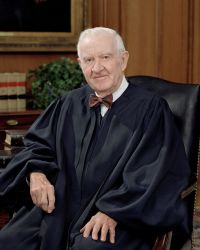
Portrait of John Paul Stevens John Paul Stevens Commissioner Immigration and Naturalization Service v…

The most telling answer to petitioners' submission that they may assert a "substantial justification" defense at multiple stages of an action is the complete absence of any textual support for this position. Subsection (d) (1) (A) refers to an award of fees "in any civil action" without any reference to separate parts of the litigation, such as discovery requests, fees, or appeals. The reference to "the position of the United States" in the singular also suggests that the court need make only one finding about the justification of that position.
Source: Wikisource

Portrait of John Paul Stevens John Paul Stevens Commissioner Immigration and Naturalization Service v…

Thus, eligibility for a fee award in any civil action requires: (1) that the claimant be a "prevailing party"; (2) that the Government's position was not "substantially justified"; (3) that no "special circumstances make an award unjust"; and, (4) pursuant to 28 U.S.C. § 2412 (d) (1) (B) , that any fee application be submitted to the court within 30 days of final judgment in the action and be supported by an itemized statement.
Source: Wikisource

Portrait of John Paul Stevens John Paul Stevens Commissioner Immigration and Naturalization Service v…

Exorbitant, unfounded, or procedurally defective fee applications-like any other improper position that may unreasonably protract proceedings are matters that the district court can recognize and discount. [10] Petitioners' fear that such requests will receive "automatic" approval is unfounded. In contrast, requiring courts to make a separate finding of "substantial justification" regarding the Government's opposition to fee requests would multiply litigation. "A request for attorney's fees should not result in a second major litigation."
Source: Wikisource

Get perspective with Kwize: daily news enlightened by great literature