Summary

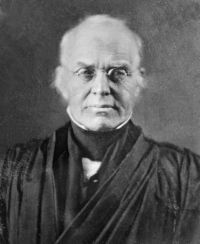
Portrait of Joseph Story Joseph Story Shanks v. Dupont — Opinion of the Court

The general doctrine is, that no persons can by any act of their own, without the consent of the government, put off their allegiance, and become aliens. If it were otherwise, then a femme alien would by her marriage become, ipso facto, a citizen, and would be dowable of the estate of her husband; which are clearly contrary to law (a) .
Our conclusion therefore is, that neither of these acts warrant the court in saying that Ann Shands had ceased to be a citizen of South Carolina, at the death of her father.
Source: Wikisource

Portrait of Joseph Story Joseph Story Shanks v. Dupont — Opinion of the Court

British femes covert residing here with their husbands at the time of our independence, and adhering to our side until the close of the war, have been always supposed to have become thereby American citizens, and to have been absolved from their antecedent British allegiance. The incapacities of femes covert, provided by the common law, apply to their civil rights, and are for their protection and interest. But they do not reach their political rights, nor prevent their acquiring or losing a national character.
Source: Wikisource

Portrait of Joseph Story Joseph Story Shanks v. Dupont — Opinion of the Court

Now, in the first place, the capture and possession by the British was not an absolute change of the allegiance of the captured inhabitants. They owed allegiance indeed to the conquerors during their occupation; but it was a temporary allegiance, which did not destroy, but only suspend their former allegiance. It did not annihilate their allegiance to the state of South Carolina, and make them de facto aliens. That could only be by a treaty of peace, which should cede the territory, and them with it
Source: Wikisource

Get perspective with Kwize: daily news enlightened by great literature