Summary

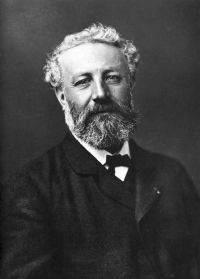
Portrait of Jules Verne Jules Verne In Search of the Castaways; or Captain Grant's Children… (1911)

They had a frightful height to climb yet to gain the topmost peaks. The rarefaction of the atmosphere produced that painful oppression known by the name of PUNA. Drops of blood stood on the gums and lips, and respiration became hurried and difficult. However strong the will of these brave men might be, the time came at last when their physical powers failed, and vertigo, that terrible malady in the mountains, destroyed not only their bodily strength but their moral energy.
Source: Wikisource

Portrait of Jules Verne Jules Verne In Search of the Castaways; or Captain Grant's Children… (1911)

Fortunately the weather was calm and the sky clear, in addition to the season being favorable, but in Winter, from May to October, such an ascent would have been impracticable. The intense cold quickly kills travelers, and those who even manage to hold out against it fall victims to the violence of the TEMPORALES, a sort of hurricane peculiar to those regions, which yearly fills the abysses of the Cordilleras with dead bodies.
Source: Wikisource

Portrait of Jules Verne Jules Verne In Search of the Castaways; or Captain Grant's Children… (1911)

They were not far now from the highest peak of the Cordilleras, but there was not the slightest trace of any beaten path. The entire region had been overturned by recent shocks of earthquake, and all they could do was to keep on climbing higher and higher. Paganel was rather disconcerted at finding no way out to the other side of the chain, and laid his account with having to undergo great fatigue before the topmost peaks of the Andes could be reached, for their mean height is between eleven and twelve thousand six hundred feet.
Source: Wikisource

Get perspective with Kwize: daily news enlightened by great literature