Summary

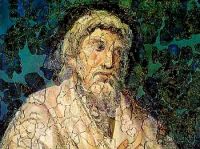
Portrait of Lactantius Lactantius Ante-Nicene Fathers Vol. VII, The Divine Institutes… (1885)

What folly, to hope for protection from those things which are unable to protect themselves! What perversity, to have recourse to the guardianship of those which, when injured, are themselves unavenged, unless vengeance is exacted by their worshippers! Where, then, is truth? Where no violence can be applied to religion; where there appears to be nothing which can be injured; where no sacrilege can be committed.
Source: Wikisource

Portrait of Lactantius Lactantius Ante-Nicene Fathers Vol. VII, The Divine Institutes… (1885)

In his case, therefore, because men could not punish his sacrilegious deeds, it was befitting that the gods should be their own avengers. But if any humble person shall have committed any such crime, there are at hand for his punishment the scourge, fire, the rack, [13] the cross, and whatever torture men can invent in their anger and rage. But when they punish those who have been detected in the act of sacrilege, they themselves distrust the power of their gods. For why should they not leave to them especially the opportunity of avenging themselves, if they think that they are able to do so?
Source: Wikisource

Portrait of Lactantius Lactantius Ante-Nicene Fathers Vol. VII, The Divine Institutes… (1885)

But, in fact, they have often themselves also inflicted punishment on the sacrilegious: that may have occurred even by chance, which has sometimes happened, but not always. But I will show presently how that occurred. Now in the meantime I will ask, Why did they not punish so many and such great acts of sacrilege in Dionysius, who insulted the gods openly, and not in secret? Why did they not repel this sacrilegious man, possessed of such power, from their temples, their ceremonies, and their images?
Source: Wikisource

Get perspective with Kwize: daily news enlightened by great literature