Summary

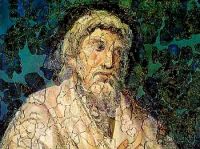
Portrait of Lactantius Lactantius Ante-Nicene Fathers Vol. VII, The Divine Institutes… (1885)

But if you meet injustice with patience, than which virtue nothing can be found more true, nothing more worthy of a man, it will immediately be extinguished, as though you should pour water upon a fire. But if that injustice which provokes opposition has met with impatience equal [7] to itself, as though overspread with oil, it will excite so great a conflagration, that no stream can extinguish it, but only the shedding of blood. Great, therefore, is the advantage of patience, of which the wise man has deprived the good man.
Source: Wikisource

Portrait of Lactantius Lactantius Ante-Nicene Fathers Vol. VII, The Divine Institutes… (1885)

But this circumstance manifestly deceived him, because, when inquiry is made respecting virtue, he thought that it is the part of virtue to conquer in every kind of contention. Nor was he able in any way to see, that a man who gives way to grief and anger, and who indulges these affections, against which he ought rather to struggle, and who rushes wherever injustice shall have called him, does not fulfil the duty of virtue. For he who endeavours to return an injury, desires to imitate that very person by whom he has been injured. Thus he who imitates a bad man can by no means be good.
Source: Wikisource

Portrait of Lactantius Lactantius Ante-Nicene Fathers Vol. VII, The Divine Institutes… (1885)

For what need was there of adding these words, “unless provoked by injury?” that he might append vice as a most disgraceful tail to a good man and might represent him as without patience, which is the greatest of all the virtues. He said that a good man would inflict injuries if he were provoked: now he must necessarily lose the name of a good man from this very circumstance, if he shall inflict injury. For it is not less the part of a bad man to return an injury than to inflict it.
Source: Wikisource

Get perspective with Kwize: daily news enlightened by great literature