Summary

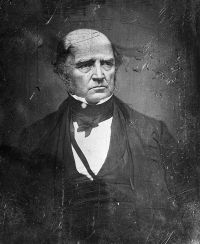
Portrait of Levi Woodbury Levi Woodbury Mason v. Fearson — Opinion of the Court

The power is conferred for their benefit, not his; and the intent of the legislature, which is the test in these cases, seems under such circumstances to have been 'to impose a positive and absolute duty.' But, under other circumstances, where the act to be done affects no third persons, and is not clearly beneficial to them or the public, the words 'may' do an act, or it is 'lawful' to do it, do not mean 'must,' but rather indicate an intent in the legislature to confer a discretionary power.
Source: Wikisource

Portrait of Levi Woodbury Levi Woodbury Mason v. Fearson — Opinion of the Court

The former provisions for selling only one or more lots, when enough to pay the taxes on all belonging to the same owner had existed so long, had been so positively adjudged by this court to be imperative, and were so obviously just and necessary to prevent sacrifices and speculation, that Congress in 1824 might well entertain no disposition to alter them, but rather to adopt and confirm the construction given by this court in the previous year.
Source: Wikisource

Get perspective with Kwize: daily news enlightened by great literature