Summary

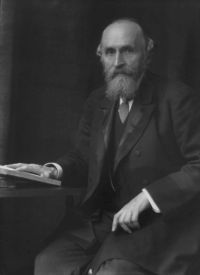
Portrait of Lewis Campbell Lewis Campbell 1911 Encyclopædia Britannica, Volume 15… (1911)

Theologian, tutor, university reformer, a great master of a college, Jowett’s best claim to the remembrance of succeeding generations was his greatness as a moral teacher. Many of the most prominent Englishmen of the day were his pupils and owed much of what they were to his precept and example, his penetrative sympathy, his insistent criticism, and his unwearying friendship. Seldom have ideal aims been so steadily pursued with so clear a recognition of practical limitations.
Source: Wikisource

Portrait of Lewis Campbell Lewis Campbell 1911 Encyclopædia Britannica, Volume 15… (1911)

Jowett’s pupils, who were now drawn from the university at large, supported him with the enthusiasm which young men feel for the victim of injustice. In the midst of other labours Jowett had been quietly exerting his influence so as to conciliate all shades of liberal opinion, and bring them to bear upon the abolition of the theological test, which was still required for the M.A. and other degrees, and for university and college offices.
Source: Wikisource

Portrait of Lewis Campbell Lewis Campbell 1911 Encyclopædia Britannica, Volume 15… (1911)

If ever there was a beneficent despotism, it was Jowett’s rule as master. Since 1866 his authority in Balliol had been really paramount, and various reforms in college had been due to his initiative. The opposing minority were now powerless, and the younger fellows who had been his pupils were more inclined to follow him than others would have been. There was no obstacle to the continued exercise of his firm and reasonable will. He still knew the undergraduates individually, and watched their progress with a vigilant eye. His influence in the university was less assured.
Source: Wikisource

Get perspective with Kwize: daily news enlightened by great literature