Marjorie Bowen

Marjorie Bowen

Summary

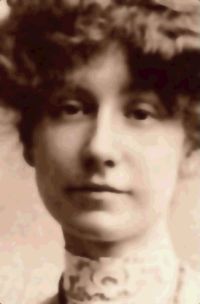
Portrait of Marjorie Bowen Marjorie Bowen Out of Season (1925)

No, Rosamund was one of those people called "old-fashioned," which really means a rare type that never goes in nor out of fashion, but always is there, not often seen, however, and still less often noticed. She was timid, quiet, sensitive, with absolutely no belief in herself whatever. She was twenty-five, and all her life had stood in the background "fagging" for others—first for her father, an impecunious country doctor, then, on his death, for her married sister, then, when she went to Canada, as companion to old Miss Brett. Being a "companion" was all she could think of to earn a living.
Source: Wikisource

Portrait of Marjorie Bowen Marjorie Bowen Out of Season (1925)

This was Rosamund's first quick summing up. As there was nothing else to look at, she proceeded to examine the two new arrivals very closely as they entered the hotel and came down the lounge.
The woman was notably attractive, but not notably young. Her clothes and her manners were the last word in modernity; her garments were so elegant and uncommon that she would have been conspicuous anywhere as a woman of taste, money, and some daring.
Rosamund, who liked most people, did not like her—no, not at all.
Source: Wikisource

Portrait of Marjorie Bowen Marjorie Bowen Out of Season (1925)

Of course Sir Tony said it was affection for poor Aunt Maire, and perhaps thought so, but he had, unconsciously enough, "given away" Nora in the matter.
"Money is awfully important," said the poor fellow wistfully. "You can't expect a girl like Nora——"
"Why don't you go, too?" suggested Rosamund heroically.
"I? Why, we shouldn't have had to bolt off here if Nora's people hadn't hated me. You see," he added with that charming and rather audacious frankness of his, "they wanted her to marry a frightfully rich chap called Wedderburn."
Source: Wikisource

Get perspective with Kwize: daily news enlightened by great literature