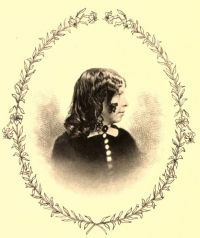
Mary Abigail Dodge

Mary Abigail Dodge

Summary

Portrait of Mary Abigail Dodge Mary Abigail Dodge The Atlantic Monthly (1866)

The poor sewing-woman feels their presence, if she does not trace them to their source. The humble invalid knows them, the domestic drudge, the ailing, puny child, the swart and stalwart workman, who ride their one or ten miles as swiftly and smoothly as a millionaire, and are set down at shop or home, or among the freshness and fragrance and song of the beautiful country. The horsecar is the poor man's private carriage, as carefully fashioned for his convenience, as tidy and comfortable and comely, as if it cost him hundreds of dollars, instead of the daily sixpence.
Source: Wikisource

Portrait of Mary Abigail Dodge Mary Abigail Dodge The Atlantic Monthly (1866)

It breathes in the thousand methods devised by ingenuity to lighten the burdens of labor, by benevolence to soothe away the bitterness of sorrow, by taste to beautify the homes of poverty. The little photograph leaves that flutter down into every household in the land are a great cloud of witnesses showing us that science is but the handmaid of God, whose service is to bear to all the blessings once reserved for a class.
Source: Wikisource

Portrait of Mary Abigail Dodge Mary Abigail Dodge The Atlantic Monthly (1866)

Workmanship does not show to the best advantage in workshops. The din and whirl of machinery confuse us. We need to see the wonderful engine in actual operation, the beautiful ornament fitly placed, before we can decide finally upon its character. The churches have been the workshops of Christianity. There it has been received, fused, hammered, polished, fashioned for all human needs; but nothing less than the whole world is the true theatre of its activity. Not what it has done for the Church, but what it has done, is doing, and purposes to do for humanity, is the measure of its merit.
Source: Wikisource

Get perspective with Kwize: daily news enlightened by great literature