Summary

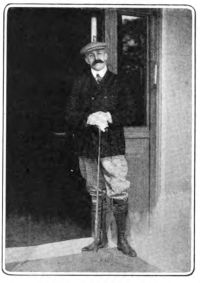
Portrait of Max Pemberton Max Pemberton Jewel Mysteries I have Known — The Ripening Rubies (1899)

The first thing I observed on looking through the open door was that the woman had left the four to themselves. Three of them stood about the table whereon the lamp was; the dumpy man with the black whiskers sat in his arm-chair. But the most pleasing sight of all was that of a large piece of cotton-wool spread upon the table, and almost covered with brooches, lockets, and sprays of diamonds; and to my infinite satisfaction I saw Lady Faber's pendant of rubies lying conspicuous even amongst the wealth of jewels which the light showed.
Source: Wikisource

Portrait of Max Pemberton Max Pemberton Jewel Mysteries I have Known — The Ripening Rubies (1899)

He was the boy who had eaten of the jam-tarts so plentifully at Lady Faber's—the youth with whom Sibyl Kavanagh had pretended to have no acquaintance when she talked to me in the conservatory. And at the sight of him, I knew that the moment had come.
"Abel," I said, "it's time you went. Tell the men to bring a short ladder with them. They'll have to come in by the balcony—but only when I make a sign. The signal will be the cracking of the glass of that lamp you can see upon the table there.
Source: Wikisource

Portrait of Max Pemberton Max Pemberton Jewel Mysteries I have Known — The Ripening Rubies (1899)

Don't you know that I lost a marquise brooch at the Hayes's dance the other evening? I have never heard the last of it from my husband, who will not believe for a minute that I did not lose it in the crowd."
"And you yourself believe——"
"That it was stolen, of course. I pin my brooches too well to lose them—some one took it in the same cruel way that Lady Faber's rubies have been taken. Isn't it really awful to think that at every party we go to thieves go with us? It's enough to make one emigrate to the shires."
Source: Wikisource

Get perspective with Kwize: daily news enlightened by great literature