Summary

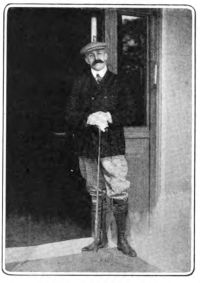
Portrait of Max Pemberton Max Pemberton Queen of the Jesters — A Prison of Swords (1897)

Châteauneuf, who saw that he had fallen into a trap, hesitated no longer, but drew his sword and sprang to the engagement. And at this, Serrefort cried out again, and then, clenching his teeth, began to fight with the cunning and the resolution of a maître d'armes. The night, the garden, the mystery, the prison—all were gone from his thoughts. He saw but one object, the pale face of the man who had sent him fifteen years ago from the happiness of his home to the grave of the Conciergerie. Hate gave him a skill which had never been his, even in the best hour of the old time.
Source: Wikisource

Portrait of Max Pemberton Max Pemberton Queen of the Jesters — A Prison of Swords (1897)

Serrefort, on the other hand, took two steps forward and then sank down upon the mouldy straw with which the floor of his new prison was covered. There was no braver man in Paris, none with a stouter heart nor more noble courage; but the Bombec Tower was quick to conquer him. Fear now dominated his mind, until his whole body trembled, and his very heart seemed to stand still. The darkness weighed upon him like a crushing burden. The foul cell appeared to be full of the shapes of those who had gone before him to this agony.
Source: Wikisource

Portrait of Max Pemberton Max Pemberton Queen of the Jesters — A Prison of Swords (1897)

But he had imagined a fate which was not in the minds of those who had sent him to the dungeon. Twice every day the Seine washed the floor of this cell, bringing up great rats in its flood and leaving the oozing slime and filth of its waters upon the straw which made the prisoner's bed. Just when Jacques de Serrefort was telling himself that the water would cover his mouth presently, its flow ceased, and taught him the devilish malignity of his captors. Wet and cold and shivering, the wretched man stood for long hours while the stream ebbed.
Source: Wikisource

Get perspective with Kwize: daily news enlightened by great literature