Summary

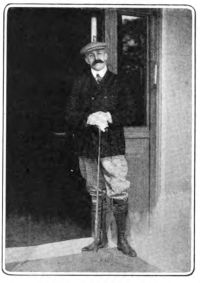
Portrait of Max Pemberton Max Pemberton The Sea Wolves — V. THE THIRD DAY AFTER (1901)

The mutual confidence would have been beautiful if it had not been all on one side—an exchange of frankness for lies, of love for a selfish liking. Yet Messenger had the greatest satisfaction at that moment in having at least one honest hand with him on the ship; and if the truth be told, he trusted the boy alone of all the company. Kenner was a tricky rogue, who would turn upon him at any moment; Burke was a ranting bully who—then, at any rate—had the command of the situation; Messenger had to depend upon his wits and fine talent to come out of the undertaking even with his life.
Source: Wikisource

Portrait of Max Pemberton Max Pemberton The Sea Wolves — V. THE THIRD DAY AFTER (1901)

The scene was concluded in a wistful hush—the hush of men obeying, but not obedient. Burke's ferocity had cowed all spectators; for the moment it had overridden the danger, and it had sent Hal Fisher to the saloon with the gloomiest face possible. For three days past the lad had seemed to live in a hazy dream—a dream which had brought to him many pictures and many episodes, but chiefly shadows of impressions, as dreams will. He remembered that he had gone to his bunk two nights before, to be awakened in the morning watch by a great commotion and bustle on deck
Source: Wikisource

Portrait of Max Pemberton Max Pemberton The Sea Wolves — V. THE THIRD DAY AFTER (1901)

In this approach to terror he watched for some moments longer, when of a sudden, chancing to look down the higher line of the deck, he was absolutely sure that all was not a dream. There, almost at his feet, the hunched-up figure of a man lay timidly, as of a man watching to spring, but fearing. Hal looked at the man for a moment, whipping out his revolver as he did so, and was in the very act of firing when the watcher rose and gripped his arm.
Source: Wikisource

Get perspective with Kwize: daily news enlightened by great literature