Summary

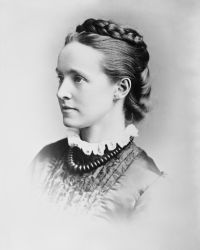
Portrait of Millicent Garrett Fawcett Millicent Garrett Fawcett Women's suffrage: a short history of a great movement… (1911)

If it should be found possible to arrange a safe and well-adjusted alteration of the law as to political power, the man who shall attain that object, and who shall see his purpose carried onward to its consequences in a more just arrangement of the provisions of other laws bearing upon the condition and welfare of women, will, in my opinion, be a real benefactor to his country.
Source: Wikisource

Portrait of Millicent Garrett Fawcett Millicent Garrett Fawcett Women's suffrage: a short history of a great movement… (1911)

The blow to women's suffrage dealt by the defeat of Mr. Woodall's Amendment to the 1884 Reform Bill was a heavy one, and was deeply felt by the whole movement. But though fatal to immediate Parliamentary success, the events of 1884 strengthened our cause in the country. Everything which draws public attention to the subject of representation and to the political helplessness of the unrepresented makes people ask themselves more and more "Why are women excluded?" "If representative government is good for men, why should it be bad for women?"
Source: Wikisource

Portrait of Millicent Garrett Fawcett Millicent Garrett Fawcett Women's suffrage: a short history of a great movement… (1911)

In practice, however, the Women's Liberal Federation has stood for suffrage with ever-increasing firmness since 1890, while the Women's Liberal Association has continued to oppose it.
The formation of women's political associations was encouraged by party leaders of all shades of politics. There is probably not a single party leader, however strongly he may oppose the extension of the suffrage to women, who has not encouraged the active participation of women in electoral work. The Liberal party issues a paper of printed directions to those who are asking to do electoral work in its support.
Source: Wikisource

Get perspective with Kwize: daily news enlightened by great literature