Summary

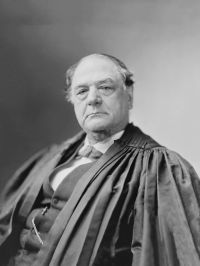
Portrait of Noah Haynes Swayne Noah Haynes Swayne Pence v. Langdon — Opinion of the Court

If the jury believe that the plaintiff had no actual knowledge or belief that defendant had put his own stock upon them, until June, 1875, at the mine, then his repudiation of the transaction, if made then, was sufficient.'
There can be no doubt as to the soundness of their proposition.
Acquiescence and waiver are always questions of fact. There can be neither without knowledge. The terms import this foundation for such action. One cannot waive or acquiesce in a wrong while ignorant that it had been committed.
Source: Wikisource

Portrait of Noah Haynes Swayne Noah Haynes Swayne Pence v. Langdon — Opinion of the Court

Under such circumstances he loses the right to rescind, and must seek compensation in damages. But the wrong-doer cannot make extreme vigilance and promptitude conditions of rescission. It does not lie in his month to complain of delay unaccompanied by acts of ownership, and by which he has not been affected. The election to rescind or not to rescind, once made, is final and conclusive.
The burden of proving knowledge of the fraud and the time of its discovery rests upon the defendant.
Here Langdon was lulled into security by his relations to Pence, and by Pence's letters.
Source: Wikisource

Get perspective with Kwize: daily news enlightened by great literature