Summary

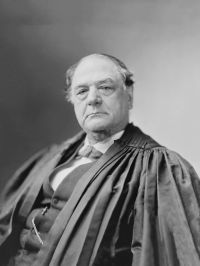
Portrait of Noah Haynes Swayne Noah Haynes Swayne The Ouachita Cotton — Opinion of the Court

Withenbury & Doyle were citizens of the State of Ohio, but were in Louisiana at the breaking out of the rebellion. They owned two steamboats, and were engaged in running them upon the waters of that State. They remained there, and their boats were largely employed in the rebel service. They claim to have been thoroughly loyal to the United States all the time, and that such use of their boats was, on their part, the result of fear and compulsion, and was inevitable.
They bought the cotton in controversy of McKee, the cotton agent of the rebel government, in August, 1863.
Source: Wikisource

Portrait of Noah Haynes Swayne Noah Haynes Swayne The Ouachita Cotton — Opinion of the Court

This proclamation declares 'that all commercial intercourse, not licensed and conducted as is provided in said act, between the said States and the inhabitants thereof, with the exceptions aforesaid, is unlawful, and will remain unlawful until such insurrection shall cease or has been suppressed, and notice thereof has been given by proclamation.' The date of this proclamation was prior to either of the purchases of the cotton from the rebel agents, to which the claimants, respectively, trace their titles.
Source: Wikisource

Portrait of Noah Haynes Swayne Noah Haynes Swayne The Ouachita Cotton — Opinion of the Court

In the fall of 1862, after the capture of New Orleans by the land and naval forces of the United States, the bank having on hand upwards of a million dollars of Confederate money, applied to the military authorities there for permission to send it within the rebel lines, and invest it in cotton. Permission was accordingly given, and an agent was sent to Upper Louisiana with the money. He made large purchases in the country upon the Red River.
Source: Wikisource

Get perspective with Kwize: daily news enlightened by great literature