Summary

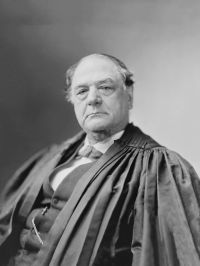
Portrait of Noah Haynes Swayne Noah Haynes Swayne Trust Company v. Sedgwick — Opinion of the Court

When one engaged or about to engage in any business has the means to meet its usual exigencies, and devotes such means in good faith to the business, and has besides other means which he chooses to settle upon any object of his bounty, unlooked-for disasters on his part, subsequently occurring, will not affect the validity of the settlement, because they afford no ground for the imputation of unfairness.
Source: Wikisource

Portrait of Noah Haynes Swayne Noah Haynes Swayne Trust Company v. Sedgwick — Opinion of the Court

But where there are heavy subsisting liabilities, doubtful solvency, a large settlement made upon the wife at the outset of the business, and failure and insolvency to a large amount shortly follow, it is impossible to avoid the conviction that there was a deliberate plan to provide for the settler and his family in any event, and to throw the burden of the losses that might occur upon his creditors.
Source: Wikisource

Portrait of Noah Haynes Swayne Noah Haynes Swayne Trust Company v. Sedgwick — Opinion of the Court

The moneys were received by the executor for property sold by him after the death of the testatrix. It was lent by him to the firm of Place, King, & Place, and was lost to the estate by their failure. There is no proof that the testatrix took any part in bringing about the settlement, or that there was any guilty knowledge on her part in the transaction. It is fairly to be presumed that she confided in the good faith of her husband, and simply yielded obedience to his wishes. The provision of her will attests her devotion to him.
Source: Wikisource

Get perspective with Kwize: daily news enlightened by great literature