Summary

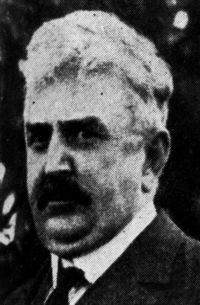
Portrait of Raymond S. Spears Raymond S. Spears The Wolf Pack (Spears) — I. Crimes of the Killers (1926)

THE night after the wagon came down from the Singing Birds all the sleepers in the ranch were awakened by the passing of Lop-Ear’s pack in the dark. Yelping wraiths of the sage and alkali, they filled the vast Flats of the Dancing Maids with their jubilant squealing, baying, careless rage. It was as if they were taunting the humans who listened, despite themselves, shivering at that challenge out of an ancient past when human beings must stand back to back, clubs against fangs in defense of life. The wolves were crossing from the Sparkling Dawns to the Needle Tops.
Source: Wikisource

Portrait of Raymond S. Spears Raymond S. Spears The Wolf Pack (Spears) — I. Crimes of the Killers (1926)

The music of the cascading stream grew louder and Wool-Head’s easy-flowing profanity mingled with the peaceful water melody as the cowboy, gem-blue eyed and handsome in weariness, even, paused to listen, caught by a novel sensation of satisfaction. Such contrasts of anger and peace were always surprizing him, delighting his longing for something different, strange and charming. At the same time he hid from Dan Plack his poetic appreciation of this situation. It would be quite useless to try to explain to the rancher why the predicament of the range was so pleasing.
Source: Wikisource

Portrait of Raymond S. Spears Raymond S. Spears The Wolf Pack (Spears) — I. Crimes of the Killers (1926)

Even with the wolf tracks, the running prints of their paws in the sand, the dark patches where the calves had been torn to pieces, the magpies, jays and other meat-hawks perching on the torn, tender bodies of the animals, the cows pawing the ground and bellowing, the inestimable privileges of a hard and beautiful land had given the rider sixteen hours of compensation for what all who knew him must have called his folly and his crime of wasted opportunities.
Source: Wikisource

Get perspective with Kwize: daily news enlightened by great literature