Summary

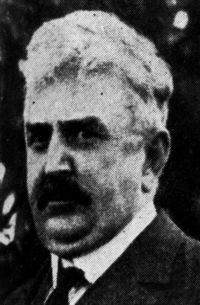
Portrait of Raymond S. Spears Raymond S. Spears The Wolf Pack (Spears) — III. The Wolf Dens (1926)

Conklin saw a number of deer, and many lesser beasts. The mountain range was well named, for birds were fluttering throughout the woods, and now and again a flock of jays or magpies would keep company with the strange phenomenon of a man with a horse. And the hunter was conscious of the feeling that these birds, especially the magpies, had seen men before and did not hold them in high regard.
A man doesn’t like to believe things which aren’t so, which are just plumb foolish. The very notion that he knew the minds of those birds was exasperating to Conklin.
Source: Wikisource

Portrait of Raymond S. Spears Raymond S. Spears The Wolf Pack (Spears) — III. The Wolf Dens (1926)

And when he made a dry camp on a flat with scant vegetation he heard snarling and yipping at a little distance. Then coyotes waxed melancholy and jeering in the thin air.
“Wouldn’t be surprized if I’d found something!” Conklin admitted to himself. “Look it over tomorrow!”
He surely had. A huge mountain ridge had been washed and wasted away till it had assumed the appearance of a ruined city of savage Titans and ogres. In every patch of sand a yard in size were the tracks of coyotes, old and young.
Source: Wikisource

Portrait of Raymond S. Spears Raymond S. Spears The Wolf Pack (Spears) — III. The Wolf Dens (1926)

Conklin turned his horse loose on a beaver meadow up the lake inlet. Here was a level grown to grass. After some hesitation, he made his own camp back in the woods, cooking a chunk of meat as he considered the problem of his activities. Other humans in that country were none of his business—but the wolves were. The brutes hunted the green timber, the open desert, the sage and ranch lands.
Source: Wikisource

Get perspective with Kwize: daily news enlightened by great literature