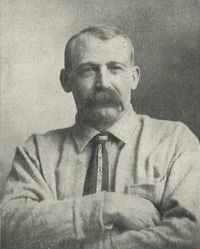
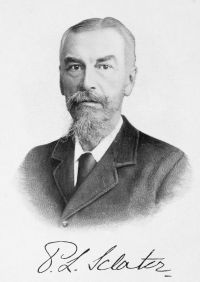
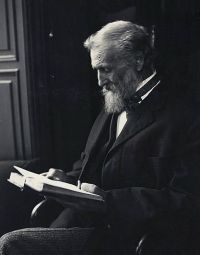
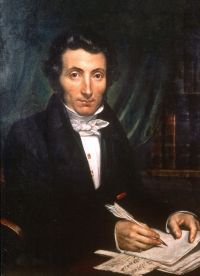
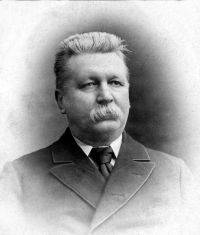
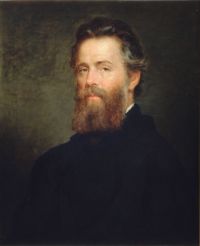
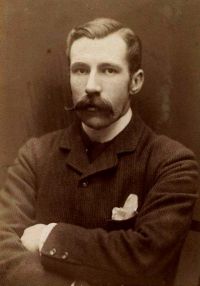
Calves, the young of cattle, have been a recurring motif in literature, symbolizing both vulnerability and the rhythms of rural life. Authors such as Joseph Dalton Hooker depicted their playful antics with vivid imagery, while Owen Wister wove them into narratives of identity and transformation.
Andy Adams highlighted their development in wild landscapes, emphasizing communal bonds, and John Muir observed their delicate growth with empathetic detail. These varied portrayals underscore calves as both literal and symbolic subjects, reflecting human connections to nature and the pastoral. Their presence in texts bridges ecological observation and cultural storytelling.
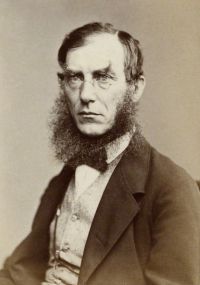 Joseph Dalton Hooker,
Himalayan Journals — Complete
Joseph Dalton Hooker,
Himalayan Journals — Complete