Summary

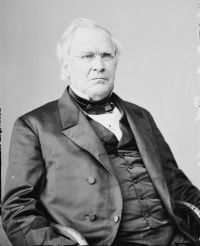
Portrait of Robert Cooper Grier Robert Cooper Grier Curtisl v. Innerarity — Opinion of the Court

Hence, every nation, whether governed by the civil or common law, has established a certain common measure of reparation for the detention of money not paid according to contract, which is usually calculated at a certain and legal rate of interest. Every one who contracts to pay money on a certain day knows, that, if he fails to fulfil his contract, he must pay the established rate of interest as damages for his non-performance.
Source: Wikisource

Portrait of Robert Cooper Grier Robert Cooper Grier Curtisl v. Innerarity — Opinion of the Court

Blount's power of attorney was a bare authority to receive money on account of the mortgage then in litigation, if the appellants chose to pay him any, leaving all the questions in dispute between the parties open to future adjustment. But the mortgagors refuse to pay him money on the conditions on which he was authorized to receive it, and give a valid acquittance. On the contrary, the money given to Blount is on their own terms, and in consideration of a settlement, arrangement, and release, which they knew, or ought to have known, Blount had no authority to make.
Source: Wikisource

Portrait of Robert Cooper Grier Robert Cooper Grier Curtisl v. Innerarity — Opinion of the Court

As the contract for the purchase of these lands, and the mortgage given to secure the balance of the purchase-money, were executed in the island of Cuba, the court below allowed the current and legal rate of interest of that place (five per cent.) from the time the respective payments became due.
It is a dictate of natural justice, and the law of every civilized country, that a man is bound in equity, not only to perform his engagements, but also to repair all the damages that accrue naturally from their breach.
Source: Wikisource

Get perspective with Kwize: daily news enlightened by great literature