Summary

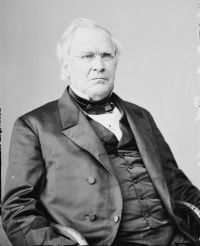
Portrait of Robert Cooper Grier Robert Cooper Grier Woodruff v. Trapnall — Dissent

If a wealthy creditor, for the purpose of sustaining the credit of a particular bank, publishes to the world that, if his debtors will pay him in notes of that bank, he will accept them, and after the bank fails gives notice that he will no longer receive them, can a debtor who for seven years has refused to accept this offer, and pay his debts in the manner proposed, allege that this is a contract binding on the creditor forever?
Source: Wikisource

Portrait of Robert Cooper Grier Robert Cooper Grier Woodruff v. Trapnall — Dissent

When suit is brought on a contract, it becomes merged in the judgment; if the defendant claims a right to pay it in any thing else than money, he must plead it and set it up on the trial; for the court, on an action for money, can give judgment only for the payment of money. If, after trial, verdict, and judgment, the plaintiff on motion could raise a new question as to set-off, tender, or a right to satisfy his debt in some other way than by payment of money, the judgment of a court, instead of being the end of controversy, would be but the beginning of litigation.
Source: Wikisource

Get perspective with Kwize: daily news enlightened by great literature