Summary

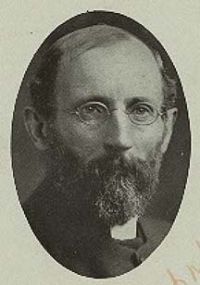
Portrait of Robert Henry Charles Robert Henry Charles 1911 Encyclopædia Britannica, Volume 15… (1911)

Our author next defends Judaism by his glorification of Israel. Whereas the various nations of the Gentiles were subject to angels, Israel was subject to God alone. Israel was God’s son, and not only did the nation stand in this relation to God, but also its individual members. Israel received circumcision as a sign that they were the Lord’s, and this privilege of circumcision they enjoyed in common with the two highest orders of angels. Hence Israel was to unite with God and these two orders in the observance of the sabbath.
Source: Wikisource

Portrait of Robert Henry Charles Robert Henry Charles 1911 Encyclopædia Britannica, Volume 15… (1911)

To be more exact, our book represents some form of the Hebrew text of the Pentateuch midway between the forms presupposed by the Septuagint and the Syriac; for it agrees more frequently with the Septuagint, or with combinations into which the Septuagint enters, than with any other single authority, or with any combination excluding the Septuagint. Next to the Septuagint it agrees most often with the Syriac or with combinations into which the Syriac enters.
Source: Wikisource

Portrait of Robert Henry Charles Robert Henry Charles 1911 Encyclopædia Britannica, Volume 15… (1911)

He maintained the everlasting validity of the law, he held the strictest views on circumcision, the sabbath, and the duty of shunning all intercourse with the Gentiles; he believed in angels and in a blessed immortality. In the next place he was an upholder of the Maccabean pontificate. He glorifies Levi’s successors as high-priests and civil rulers, and applies to them the title assumed by the Maccabean princes, though he does not, like the author of the Testaments of the Twelve Patriarchs, expect the Messiah to come forth from among them.
Source: Wikisource

Get perspective with Kwize: daily news enlightened by great literature