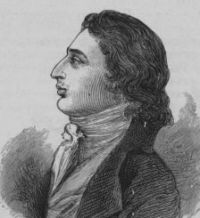
Robert Southey

Robert Southey

Joan of Arc (1796)

Summary

Portrait of Robert Southey Robert Southey Joan of Arc (1796)

The judgment must applaud the well-digested plan, and splendid execution of the Iliad, but the heart always bears testimony to the merit of the Odyssey: it is the poem of nature, and its personages inspire love rather than command admiration. The good herdsman Eumæus is worth a thousand heroes! Homer is indeed the best of Poets, for he is dignified yet simple
Source: Wikisource

Portrait of Robert Southey Robert Southey Joan of Arc (1796)

Enthusiasm, and that of no common kind, was necessary to enable a young Maiden at once to assume the profession of arms, to lead her troops to battle, to fight among the foremost, and to subdue with an inferior force an enemy then believed invincible. One who felt herself the tool of a party, could not have performed this. The artifices of the Court could not have persuaded her that she discovered Charles in disguise; nor could they have prompted her to demand the sword they might have hidden, without discovering the deceit. The Maid then was not knowingly an impostor
Source: Wikisource

Portrait of Robert Southey Robert Southey Joan of Arc (1796)

The fall of the bridge at Orleans, a circumstance that the reader might deem invention, is historically true. The ninth book is the Original Sin of the poem. That it is a defect, I am myself sensible; but it is not uncommon at the age of twenty-one for the imagination to out-run the judgment. For the sake of variety, I thought it essential to introduce rough lines occasionally, and this I mention, lest some might suspect me of carelessness. Such as it is, the poem is before the world.
Source: Wikisource

Get perspective with Kwize: daily news enlightened by great literature