Summary

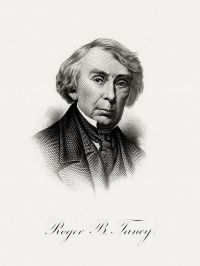
Portrait of Roger B. Taney Roger B. Taney Bein v. Heath (53 U.S. 168) — Opinion of the Court

The basis of the law, allowing damages beyond interest, is indemnity. It is intended not only to secure the payment of the interest and costs, but the consequential injuries resulting from the unjust obstruction of legal process, and, for the trouble, expense, and actual loss. Now, part of the injury here, was clearly occasioned by the plaintiff's interference by this injunction, which, in its progress, caused the loss of those rents, the receipt of which might have gone far to diminish the amount of the debt and interest, and thereby the loss has been enhanced beyond the penalty of the bond.
Source: Wikisource

Portrait of Roger B. Taney Roger B. Taney Bein v. Heath (53 U.S. 168) — Opinion of the Court

And when an injunction is applied for in the Circuit Court of the United States sitting in Louisiana, the court grant it or not, according to the established principles of equity, and not according to the laws and practice of the state in which there is no court of chancery, as contradistinguished from a court of common law. And they require a bond, or not, from the complainant, with sureties, before the injunction issues, as the court, in the exercise of a sound discretion, may deem it proper for the purposes of justice.
Source: Wikisource

Portrait of Roger B. Taney Roger B. Taney Bein v. Heath (53 U.S. 168) — Opinion of the Court

But the bond, in the case before us, is not one to pay the damages which the opposing party should sustain by reason of the injunction, but it is to pay the damages that might be recovered against them; obviously referring, we think, to the practice in Louisiana above mentioned. A court proceeding, according to the rules of equity, cannot give a judgment against the obligors in an injunction bond when it dissolves the injunction.
Source: Wikisource

Get perspective with Kwize: daily news enlightened by great literature