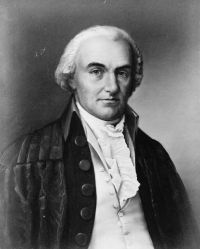
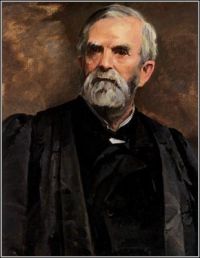
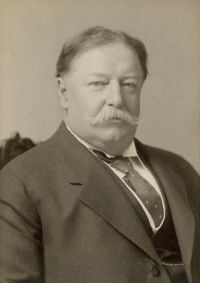
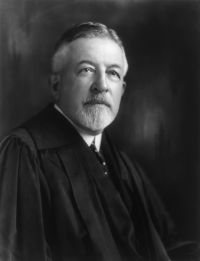
An injunction is a legal directive requiring a party to take action or avoid certain behavior, grounded in principles of equity and Roman law. It addresses harms that cannot be adequately resolved through monetary remedies, balancing personal rights with the public good. Judges such as Oliver Ellsworth highlighted the importance of procedural fairness, while Strom Thurmond connected its origins to the historical authority of the judiciary.
William J. Brennan, Jr. differentiated injunctions from declaratory judgments, emphasizing their distinct function in enforcing legal requirements. Whether in labor conflicts or civil rights cases, injunctions demonstrate the courts' ability to influence compliance, integrating equity, jurisdiction, and legal boundaries. Their use illustrates the ongoing interaction between legal precision and societal demands.
 Strom Thurmond,
Strom Thurmond filibuster on the Civil Rights Act of 1957
(1957)
Strom Thurmond,
Strom Thurmond filibuster on the Civil Rights Act of 1957
(1957)