Summary

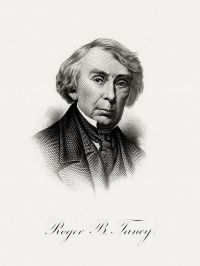
Portrait of Roger B. Taney Roger B. Taney Selden v. Myers — Opinion of the Court

They no doubt speak to the best of their recollections; but every one knows how liable a party is to be led into mistakes who hears casual conversations about accounts in which he has no interest, and how liable they are to be mistaken, when some years have elapsed, both as to the particular time when the conversation took place and the precise language used by the speaker.
Source: Wikisource

Portrait of Roger B. Taney Roger B. Taney Selden v. Myers — Opinion of the Court

The bill further charges, that it was the distinct understanding of the parties that advances should be made to the amount set forth in the note; but that only a small advance of about two hundred dollars had afterwards been made, and that sum diminished by sundry payments made by appellant; that the property conveyed by him in trust was of much greater value than the amount of the note; that he can neither read nor write; and when he executed the deed, did not know that the whole of said property was included, and was under the impression that it conveyed only a portion of it.
Source: Wikisource

Portrait of Roger B. Taney Roger B. Taney Selden v. Myers — Opinion of the Court

And this view of the subject is strengthened by the fact, that although Selden states in his bill that he had a settlement with the company of all accounts at that time standing unsettled between him and the firm, he does not state that nothing was found due from him on that settlement, nor does he say that the balance against him, if any, was paid. His statement of a settlement is no doubt true; but it is evident from the testimony that, upon that settlement, the sum claimed by Lawrence Myers & Company was found to be due, and the note and deed given to secure it.
Source: Wikisource

Get perspective with Kwize: daily news enlightened by great literature