Summary

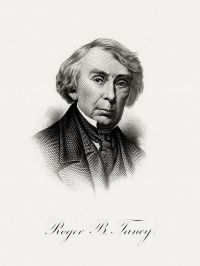
Portrait of Roger B. Taney Roger B. Taney Taylor v. Savage (42 U.S. 282)…

But he may be made a party there, either upon his own application or that of the complainants, according to the rules and practice in chancery proceedings. And when this has been done, the administrator may take an appeal; and upon giving bond within the time prescribed by law, all proceedings upon the decree will be stayed in the District Court, until the decision of this court shall be had in the premises. And if he fail to give the bond within the limited period, the complainants will then be entitled to process from the District Court, in order to enforce it.
Source: Wikisource

Portrait of Roger B. Taney Roger B. Taney Taylor v. Savage (42 U.S. 282)…

At the time of the decree Harvey Dillahunty was attending to the suit in chancery as the attorney in fact of George M. Savage, the respondent, and two days afterwards, that is to say, on the 30th of November, 1842, in the name of the respondent, prayed an appeal; and the District Court, with the consent of the complainants, passed an order giving the said George M. Savage liberty to file an appeal bond at any time within twenty days from the adjournment of the court.
Source: Wikisource

Get perspective with Kwize: daily news enlightened by great literature