Summary

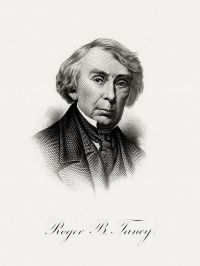
Portrait of Roger B. Taney Roger B. Taney The North Carolina — Opinion of the Court

In times of disaster, it is always his duty to exercise his best judgment, and to use his best exertions for the benefit of the owners of both vessel and cargo; and when, from his situation, he is unable to consult them, or their agent, without an inconvenient and injurious delay, it is in his power to compromise a question of salvage; and he is not bound in all cases to wait for the decision of a court of admiralty.
Source: Wikisource

Portrait of Roger B. Taney Roger B. Taney The North Carolina — Opinion of the Court

It follows, from these principles, that the decree of the appellate court was erroneous. But there was certainly enough in the pleadings to authorize the court to affirm the decree of the superior court, for the 72 bales; and the evidence would most abundantly justify such a decree. And as we have no doubt, that the value of the remaining 50 bales is justly due from the claimant, the decree will be reversed, without prejudice to the rights of the parties interested in these 50 bales; and the right reserved to them to proceed, by a new libel in the proper court, to assert their claims.
Source: Wikisource

Portrait of Roger B. Taney Roger B. Taney The North Carolina — Opinion of the Court

No authority has been produced in support of these objections; and we consider it as well settled, in admiralty proceedings, that the agent of absent owners may libel, either in his own name, as agent, or in the name of his principals, as he thinks best; that the power of attorney, subsequent to the libel, is a sufficient ratification of what he had before done in their behalf
Source: Wikisource

Get perspective with Kwize: daily news enlightened by great literature