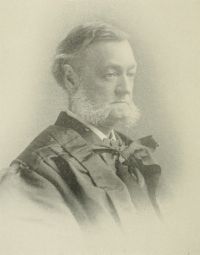
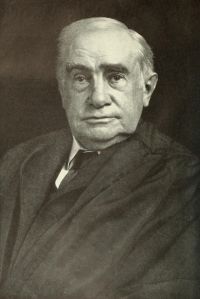
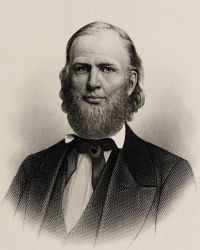
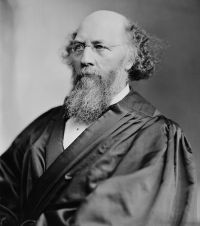
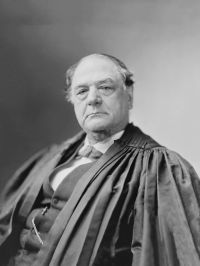
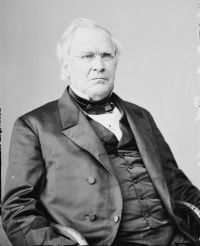
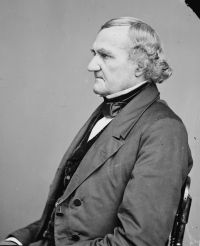
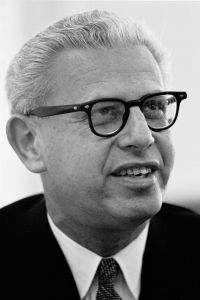
The concept of a claimant refers to an individual or entity presenting a legal claim, typically seeking redress, property, or rights through judicial or administrative processes. This theme is prominently examined in legal discourse, where authors such as Ulysses S. Grant, Melville Fuller, and Oliver Wendell Holmes, Jr., address procedural rigor, jurisdictional boundaries, and the evidentiary burdens placed on claimants.
For instance, Grant emphasizes equitable treatment of claimants in judicial proceedings, while Fuller outlines procedural timelines for resolving claims. Similarly, Nathan Clifford and Joseph P. Bradley stress the importance of judicial oversight in verifying claims, often rejecting those lacking legal foundation. These varied perspectives collectively highlight the claimant’s role as both a petitioner and a subject of legal examination, with outcomes depending on statutory interpretation, evidentiary adequacy, and the court’s authority to adjudicate rights.
 Ulysses S. Grant,
State of the Union Address
Ulysses S. Grant,
State of the Union Address