Summary

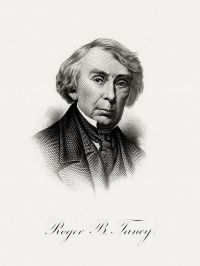
Portrait of Roger B. Taney Roger B. Taney United States v. Rogers (45 U.S. 567…

It is our duty to expound and execute the law as we find it, and we think it too firmly and clearly established to admit of dispute, that the Indian tribes residing within the territorial limits of the United States are subject to their authority, and where the country occupied by them is not within the limits of one of the States, Congress may by law punish any offence committed there, no matter whether the offender be a white man or an Indian.
Source: Wikisource

Portrait of Roger B. Taney Roger B. Taney United States v. Rogers (45 U.S. 567…

It is due to the United States, however, to say, that while they have maintained the doctrines upon this subject which had been previously established by other nations, and insisted upon the same powers and dominion within their territory, yet, from the very moment the general government came into existence to this time, it has exercised its power over this unfortunate race in the spirit of humanity and justice, and has endeavoured by every means in its power to enlighten their minds and increase their comforts, and to save them if possible from the consequences of their own vices.
Source: Wikisource

Portrait of Roger B. Taney Roger B. Taney United States v. Rogers (45 U.S. 567…

By the twenty-fifth section of that act, the prisoner, if found guilty, is undoubtedly liable to punishment, unless he comes within the exception contained in the proviso, which is, that the provisions of that section 'shall not extend to crimes committed by one Indian against the person or property of another Indian.' And we think it very clear, that a white man who at mature age is adopted in an Indian tribe does not thereby become an Indian, and was not intended to be embraced in the exception above mentioned.
Source: Wikisource

Get perspective with Kwize: daily news enlightened by great literature