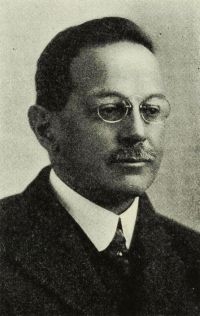
Samuel Scoville, Jr.

Samuel Scoville, Jr.

Summary

Portrait of Samuel Scoville, Jr. Samuel Scoville, Jr. The Inca Emerald — XI The Lost City (1922)

It was past sunset when the little party reached the last step and stood on the summit of the windswept ridge. In the east the full moon was rising above the mountains and flooded the heights with light white as melting snow.
Before them stretched the city of Machu Pichu, its shadows showing in the moonlight like pools of spilled ink. Lost, lonely, deserted by men for half a thousand years, the great city had been the birth-place of the Incas, who ruled mightily an empire larger than that which Babylon or Nineveh or Egypt held in their prime.
Source: Wikisource

Portrait of Samuel Scoville, Jr. Samuel Scoville, Jr. The Inca Emerald — XI The Lost City (1922)

They too had heard the hoofbeats, which sounded louder and nearer every minute, and, although the path up the precipice could be seen only from the fort, yet from without the besiegers could hear the clink of steel against the rocks and the murmur of the voices of the climbing men. Just before the rescue-party reached the fort, Jud's quick ear caught the sound of muttered commands, the quick patter of feet, and through a loop-hole he saw a black band hurrying toward the other entrance to the city, carrying with them the bodies of their dead and wounded comrades.
Source: Wikisource

Portrait of Samuel Scoville, Jr. Samuel Scoville, Jr. The Inca Emerald — XI The Lost City (1922)

As Joe glanced at the setting sun he realized how short a time was left in which to save his friends. With an inarticulate cry, he turned to Hen, who was jogging lazily beside him, and in a few quick words told him what he had read in the sky. With a shout Hen gave the alarm to the troop behind in the rolling Spanish of the pampas, and in an instant, hobbling the burros, every man was spurring his horse desperately up the steep trail.
Source: Wikisource

Get perspective with Kwize: daily news enlightened by great literature