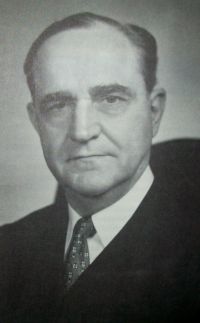
 Sherman Minton,
Commissioner of Internal Revenue v…
Sherman Minton,
Commissioner of Internal Revenue v…
“ To come within § 22 (b) (13 (A) , he must have received his compensation 'for active service as a commissoned officer.' We understand this to mean that if taxpayer received his pay as a commissioned officer, he would be entitled to the exclusion. It seems equally plain that if he received his pay as a civil service employee and served without military pay and allowances, he is not entitled to the claimed exclusion. [3] As in the Cohen case, the emphasis of the statute is on a military and not on a civilian status.And it is clear that taxpayer received his compensation in a civilian status. ”
