Summary

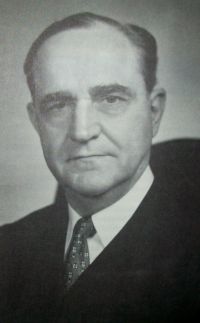
Portrait of Sherman Minton Sherman Minton United States v. Alpers — Opinion of the Court

The Court of Appeals held phonograph records without the statute, so interpreted, since phonograph records are comprehended by the sense of hearing.
When properly applied, the rule of ejusdem generis is a useful canon of construction. But it is to be resorted to not to obscure and defeat the intent and purpose of Congress, but to elucidate its words and effectuate its intent. It cannot be employed to render general words meaningless.
Source: Wikisource

Portrait of Sherman Minton Sherman Minton United States v. Alpers — Opinion of the Court

We think that to apply the rule of ejusdem generis to the present case would be 'to defeat the obvious purpose of legislation.' The obvious purpose of the legislation under consideration was to prevent the channels of interstate commerce from being used to disseminate any matter that, in its essential nature, communicates obscene, lewd, lascivious or filthy ideas.
Source: Wikisource

Portrait of Sherman Minton Sherman Minton United States v. Alpers — Opinion of the Court

True, this statute was amended in 1920 to include 'motion-picture film.' We are not persuaded that Congress, by adding motion-picture film to the specific provisions of the statute, evidenced an intent that obscene matter not specifically added was without the prohibition of the statute; nor do we think that Congress intended that only visual obscene matter was within the prohibition of the statute. The First World War gave considerable impetus to the making and distribution of motion-picture films.
Source: Wikisource

Get perspective with Kwize: daily news enlightened by great literature