Summary

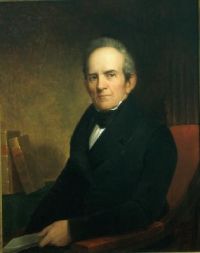
Portrait of Smith Thompson Smith Thompson United States v. Morris — Opinion of the Court

The confession of the forfeiture before condemnation, remaining on the record of the Treasury department, although not a judicial condemnation, might well be said to consummate the rights of the custom-house officers, if they are to be considered as becoming absolute when the forfeiture is ascertained. The condemnation does no more than to determine that question, so far as respects the rights of those officers; for the condemnation is not to them, but to the United States; they are no parties to the judgment
Source: Wikisource

Portrait of Smith Thompson Smith Thompson United States v. Morris — Opinion of the Court

It would be altogether useless, and mere surplusage, to set forth such statement of facts in the plea; they would not be traversable. It is not competent for any other tribunal, collaterally, to call in question the competency of the evidence, or its sufficiency, to procure the remission. The Secretary of the Treasury is, by the law, made the exclusive judge of these facts, and there is no appeal from his decision.
Source: Wikisource

Portrait of Smith Thompson Smith Thompson United States v. Morris — Opinion of the Court

It would be a singular issue to present to a jury for trial, whether the facts contained in such statement were sufficient or not to satisfy the Secretary of the Treasury, that there was no wilful negligence, or intentional fraud. If the plea, by setting out the warrant at large, contains, as I have endeavoured to show, an averment, that a statement of facts had been transmitted to the Secretary by the proper officer, as required by the law, it was all that was necessary.
Source: Wikisource

Get perspective with Kwize: daily news enlightened by great literature