Summary

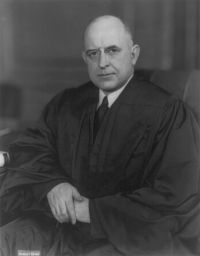
Portrait of Stanley Forman Reed Stanley Forman Reed Vandenbark v. Owens-Illinois Glass Company…

Tompkins [6] made the law of the state, as declared by its highest court, effective to govern tort cases cognizable in federal courts on the sole ground of diversity, there was no necessity there for discussing at what step in the cause the state law would be finally determined. In that case no change occurred in the state decisions between the accident and our judgment. There is nothing in the Rules of Decision section to point the way to a solution.
Source: Wikisource

Portrait of Stanley Forman Reed Stanley Forman Reed Vandenbark v. Owens-Illinois Glass Company…

The Constitution of Ohio [3] authorized the passing of laws establishing a state fund out of which compensation for death injuries or occupational diseases was to paid employees in lieu of all other rights to compensation or damages from any employer who complied with the law. At the time of the dismissal of the petition by the trial court no provision had been made by statute for any of the occupational diseases included in petitioner's complaint. Respondent had fully complied with the Workmen's Compensation Act.
Source: Wikisource

Portrait of Stanley Forman Reed Stanley Forman Reed Vandenbark v. Owens-Illinois Glass Company…

Similarly repeal of criminal laws or of a constitutional provision without a saving clause deprives appellate courts of jurisdiction to entertain further proceedings under their sanctions. [20] These instances indicate that the dominant principle is that nisi prius and appellate tribunals alike should conform their orders to the state law as of the time of the entry. Intervening and conflicting decisions will thus cause the reversal of judgments which were correct when entered.
Source: Wikisource

Get perspective with Kwize: daily news enlightened by great literature