Summary

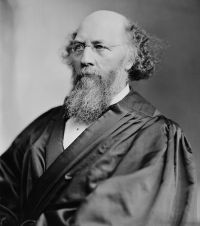
Portrait of Stephen Johnson Field Stephen Johnson Field Briggs v. United States — Opinion of the Court

As between themselves, all the ordinary business between people of the same community in buying, selling, and exchanging property, movable and immovable, could be lawfully carried on, except in cases where it was expressly forbidden by the United States, or where it would have been inconsistent with or have tended to weaken their authority.
Source: Wikisource

Portrait of Stephen Johnson Field Stephen Johnson Field Briggs v. United States — Opinion of the Court

U.S., 8 Cranch, 110, 122, 123, the court said that it was conceded that war gives to the sovereign full right to take the persons and confiscate the property of the enemy wherever found, and observed that the mitigations of this rigid rule, which the humane and wise policy of modern times had introduced into practice, might more or less affect the exercise of this right, but could not impair the right itself.
Source: Wikisource

Portrait of Stephen Johnson Field Stephen Johnson Field Briggs v. United States — Opinion of the Court

The court of claims recognized the doctrine, also, that the right of capture extended to the products of the soil, whether owned by citizens of the Confederacy or strangers to both belligerents, and that the capture of movable property within the Confederacy transferred the title when reduced to firm possession; and it therefore held that when the cotton for the proceeds of which this action is brought was captured by the national forces and sold, and the proceeds paid into the treasury of the United States, the title to the property and proceeds passed absolutely to the general government.
Source: Wikisource

Get perspective with Kwize: daily news enlightened by great literature