Summary

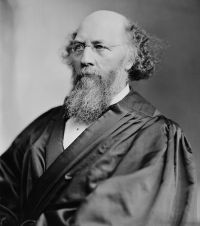
Portrait of Stephen Johnson Field Stephen Johnson Field Williams v. Kirtland — Opinion of the Court

The statute does not dispense with the performance of all the requirements of the law prescribed for the sale of the land. It only shifts the burden of proof of such compliance from the party claiming under the deed to the party attacking it. The deed itself, when admitted, creates under the statute a presumption that all essential preliminary steps in the assessment and levy of the tax and sale of the property have been complied with.
Source: Wikisource

Portrait of Stephen Johnson Field Stephen Johnson Field Williams v. Kirtland — Opinion of the Court

We agree with counsel that the provision in the statute of March 11th, 1862, that the tax deed executed by the county auditor should vest in the grantee an absolute title, both at law and in equity, except where the tax returned delinquent was actually paid, only declared the effect of a deed such as the statute contemplated, and did not dispense with proof of compliance with the preliminary requirements of the act. The officer, in making the sale and executing the deed, acted under a special power, and, as in all such cases, was bound to keep strictly within the limits of his authority.
Source: Wikisource

Get perspective with Kwize: daily news enlightened by great literature