Summary

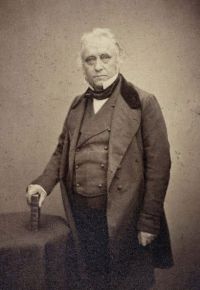
Portrait of Thomas Babington Macaulay Thomas Babington Macaulay Lays of Ancient Rome — Introduction to The Prophecy of Capys

On such a day we may suppose that the patriotic enthusiasm of a Latin poet would vent itself in reiterated shouts of "Io triumphe," such as were uttered by Horace on a far less exciting occasion, and in boasts resembling those which Virgil put into the mouth of Anchises. The superiority of some foreign nations, and especially of the Greeks, in the lazy arts of peace, would be admitted with disdainful candor; but preëminence in all the qualities which fit a people to subdue and govern mankind would be claimed for the Romans.
Source: Wikisource

Portrait of Thomas Babington Macaulay Thomas Babington Macaulay Lays of Ancient Rome — Introduction to The Prophecy of Capys

That barbarian warriors, led by barbarian chiefs, should win a pitched battle against Greek valor guided by Greek science, seemed as incredible as it would now seem that the Burmese or the Siamese should, in the open plain, put to flight an equal number of the best English troops. The Tarentines were convinced that their countrymen were irresistible in war; and this conviction had emboldened them to treat with the grossest indignity one whom they regarded as the representative of an inferior race. Of the Greek generals then living Pyrrhus was indisputably the first.
Source: Wikisource

Portrait of Thomas Babington Macaulay Thomas Babington Macaulay Lays of Ancient Rome — Introduction to The Prophecy of Capys

Plate, fine stuffs, costly furniture, rare animals, exquisite paintings and sculptures, formed part of the procession. At the banquet would be assembled a crowd of warriors and statesmen, among whom Manius Curius Dentatus would take the highest room. Caius Fabricius Luscinus, then, after two Consulships and two triumphs, Censor of the Commonwealth, would doubtless occupy a place of honor at the board.
Source: Wikisource

Get perspective with Kwize: daily news enlightened by great literature