Summary

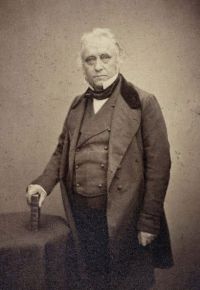
Portrait of Thomas Babington Macaulay Thomas Babington Macaulay Lays of Ancient Rome — Introduction to Virginia

Appius Claudius Crassus has spoken with more than his usual eloquence and asperity: all has been in vain, Licinius and Sextius have a fifth time carried all the tribes: work is suspended; the booths are closed; the Plebeians bear on their shoulders the two champions of liberty through the Forum. Just at this moment it is announced that a great poet, a zealous adherent of the Tribunes, has made a new song which will cut the Claudian nobles to the heart.
Source: Wikisource

Portrait of Thomas Babington Macaulay Thomas Babington Macaulay Lays of Ancient Rome — Introduction to Virginia

No parts of early Roman history are richer with poetical coloring than those which relate to the long contest between the privileged houses and the commonality. The population of Rome was, from a very early period, divided into hereditary castes, which, indeed, readily united to repel foreign enemies, but which regarded each other, during many years, with bitter animosity.
Source: Wikisource

Portrait of Thomas Babington Macaulay Thomas Babington Macaulay Lays of Ancient Rome — Introduction to Virginia

The struggle appears to have been the fiercest that every in any community terminated without an appeal to arms. If such a contest had raged in any Greek city, the streets would have run with blood. But, even in the paroxysms of faction, the Roman retained his gravity, his respect for law, and his tenderness for the lives of his fellow citizens. Year after year Licinius and Sextius were reëlected Tribunes. Year after year, if the narrative which has come down to us is to be trusted, they continued to exert, to the full extent, their power of stopping the whole machine of government.
Source: Wikisource

Get perspective with Kwize: daily news enlightened by great literature