Summary

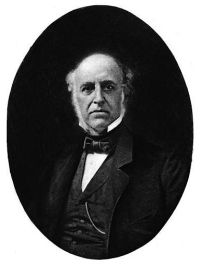
Portrait of Thomas Bulfinch Thomas Bulfinch The Age of Fable: — XL. The Death of Baldur… (1855)

But at a hunting banquet Siegfried is given another magic draught, remembers all, and is slain by Hagan by a blow in the back, as he calls on Brunhild's name in love. Then comes the end. The body of Siegfried is burned on a funeral pyre, a grand funeral march is heard, and Brunhild rides into the flames and sacrifices herself for love's sake; the ring goes back to the Rhine-daughters; and the old world—of the gods of Valhalla, of passion and sin—is burnt up with flames, for the gods have broken moral law, and coveted power rather than love, gold rather than truth, and therefore must perish.
Source: Wikisource

Portrait of Thomas Bulfinch Thomas Bulfinch The Age of Fable: — XL. The Death of Baldur… (1855)

The earth itself will be frightened and begin to tremble, the sea leave its basin, the heavens tear asunder, and men perish in great numbers, and the eagles of the air feast upon their still quivering bodies. The wolf Fenris will now break his bands, the Midgard serpent rise out of her bed in the sea, and Loki, released from his bonds, will join the enemies of the gods.
Source: Wikisource

Portrait of Thomas Bulfinch Thomas Bulfinch The Age of Fable: — XL. The Death of Baldur… (1855)

The gods and their enemies having fallen in battle, Surtur, who has killed Freyr, darts fire and flames over the world, and the whole universe is burned up. The sun becomes dim, the earth sinks into the ocean, the stars fall from heaven, and time is no more.
After this Alfadur (the Almighty) will cause a new heaven and a new earth to arise out of the sea. The new earth filled with abundant supplies will spontaneously produce its fruits without labor or care. Wickedness and misery will no more be known, but the gods and men will live happily together.
Source: Wikisource

Get perspective with Kwize: daily news enlightened by great literature