Rune

Definition and stakes

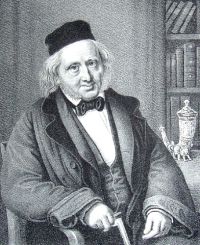
Portrait of William Sharp William Sharp,  The Washer of the Ford: Legendary moralities and barbaric tales

“ The fourth rune was the Rune of the Green Trees and of all things that grow.
The fifth rune was the Rune of Man and Bird and Beast, and of everything that lives and moves, in the air, on the earth, and in the sea: all that is seen of man, and all that is unseen of man.
The sixth rune was the Rune of Birth, from the spawn on the wave to the Passion of Woman.
The seventh rune was the Rune of Death, from the quenching of a gnat to the fading of the stars.
”
Source: Gutenberg

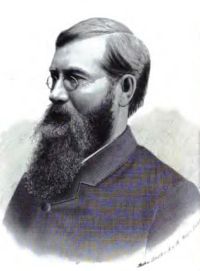
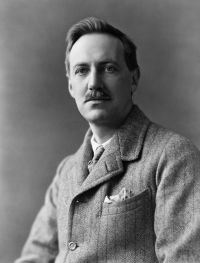
Portrait of Lord Dunsany Lord Dunsany,  The King of Elfland's Daughter (January 2, 2020 [EBook #61077] [Most recently updated May 13, 2022])

“ He opened the coffer with a spell, for it opened to no key, and taking from it an ancient parchment scroll he rose and read from it while his daughter wept. And the words of the rune as he read were like the notes of a band of violins, all played by masters chosen from many ages, hidden on midsummer's midnight in a wood, with a strange moon shining, the air all full of madness and mystery; and, lurking close but invisible, things beyond the wisdom of man.
Thus he read that rune, and powers heard and obeyed it, not alone in Elfland but over the border of Earth.
”
Source: Gutenberg

S. A. Dunham,  History of Denmark, Sweden, and Norway…

“ In the Scandinavian superstition every rune was consecrated to some deity. Nearly all the magic of the north consisted in runes. They could raise or allay tempests; they could change times, and they could bring the most distant objects together. They could produce good or bad seasons; they could raise the dead: in short, they were omnipotent over all nature,—the invisible no less than the visible world. ”
Source: Gutenberg

Get perspective with Kwize: daily news enlightened by great literature