Summary

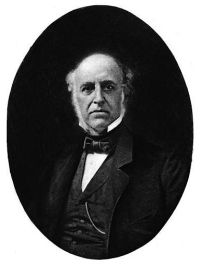
Portrait of Thomas Bulfinch Thomas Bulfinch The Age of Fable: — XXXIV. Pythagoras… (1855)

Souls never die, but always on quitting one abode pass to another. I myself can remember that in the time of the Trojan war I was Euphorbus, the son of Panthus, and fell by the spear of Menelaus. Lately being in the temple of Juno, at Argos, I recognized my shield hung up there among the trophies. All things change, nothing perishes. The soul passes hither and thither, occupying now this body, now that, passing from the body of a beast into that of a man, and thence to a beast's again.
Source: Wikisource

Portrait of Thomas Bulfinch Thomas Bulfinch The Age of Fable: — XXXIV. Pythagoras… (1855)

As wax is stamped with certain figures, then melted, then stamped anew with others, yet is always the same wax, so the soul, being always the same, yet wears, at different times, different forms. Therefore, if the love of kindred is not extinct in your bosoms, forbear, I entreat you, to violate the life of those who may haply be your own relatives.
Source: Wikisource

Portrait of Thomas Bulfinch Thomas Bulfinch The Age of Fable: — XXXIV. Pythagoras… (1855)

As the numbers proceed from the monad, so he regarded the pure and simple essence of the Deity as the source of all the forms of nature. Gods, demons, and heroes are emanations of the Supreme, and there is a fourth emanation, the human soul. This is immortal, and when freed from the fetters of the body passes to the habitation of the dead, where it remains till it returns to the world, to dwell in some other human or animal body, and at last, when sufficiently purified, it returns to the source from which it proceeded.
Source: Wikisource

Get perspective with Kwize: daily news enlightened by great literature