Summary

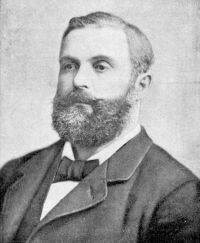
Portrait of Thomas W. Knox Thomas W. Knox Decisive Battles Since Waterloo… (1902)

The garrison, five thousand strong, was composed of veteran soldiers who were well worthy of their leader, General Chassé; the fort mounted one hundred and eighty guns, most of them of heavy calibre, and the fortress was well supplied with ammunition. Immense casemates and covered galleries and lodgments for the protection of the troops had been constructed, and the Dutch general was prepared for a hard fight. The French army had an enormous battering train, as it was well known that the siege of Antwerp would be no holiday affair.
Source: Wikisource

Portrait of Thomas W. Knox Thomas W. Knox Decisive Battles Since Waterloo… (1902)

The king of Holland refused to accept the situation, and declared that he would continue the war, but the blockade of the ports of his country by the combined fleets of France and England, and the consequent paralysis of Dutch commerce, were not long in bringing him to his senses. England and France informed him in the most emphatic terms that no interference with the march of Belgium towards independence would be permitted, and that at the first move he made in that direction the French army would be summoned back again and the consequences might be very serious for his kingdom.
Source: Wikisource

Portrait of Thomas W. Knox Thomas W. Knox Decisive Battles Since Waterloo… (1902)

In all the wars of other powers Belgium has maintained a strict neutrality. In the Franco-Prussian war of 1870 she forbade the sale of war munitions to either of the contending parties, and disarmed and interned all soldiers of either army that entered her territory. Her peace was seriously threatened at one time during that war, but was saved through the conclusion of a triple treaty between England, France, and Prussia, by which the independence and neutrality of Belgium were guaranteed under the terms of the treaty of 1839.
Source: Wikisource

Get perspective with Kwize: daily news enlightened by great literature