Summary

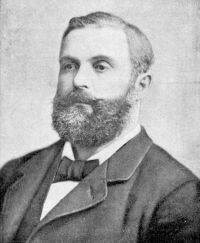
Portrait of Thomas W. Knox Thomas W. Knox Decisive Battles Since Waterloo… (1902)

The French were ready for them, and as soon as they were within range, the artillery, machine guns, and small-arms opened upon them with full vigor, cutting wide swaths in their ranks and covering the ground with dead and wounded. But the advance was continued in spite of this furious fire; the commanders and their staff officers remained on horseback in order that they might better control the troops, but so many of them were killed that they soon dismounted.
Source: Wikisource

Portrait of Thomas W. Knox Thomas W. Knox Decisive Battles Since Waterloo… (1902)

He was ready for an attack, and hoped that the superiority of his position, the destructive fire of his artillery, small-arms, and machine guns would be able to repel the enemy, and bring him victory. As soon as this was accomplished the time would be propitious for making his retreat. The entire arrangement of the French for the battle of the 18th was purely a defensive one, and in no manner did they intend to make it offensive. The strictest orders were issued to the corps commanders not to advance, but to retain their positions as long as possible, no matter how great might be their loss.
Source: Wikisource

Portrait of Thomas W. Knox Thomas W. Knox Decisive Battles Since Waterloo… (1902)

Privat soon became known along the whole line of Marshal Bazaine's army. The effect was demoralizing, and the French soon began to retreat in disorder, abandoning their arms, tents, and equipage, and seeking safety inside the walls of Metz. But the darkness which prevented the advance of the Germans also made it impossible for Marshal Bazaine to send the Imperial Guard to drive back the assailants. The battle was over. As soon as night set in all advance of the Germans was suspended. They encamped on the field and cared for the wounded.
Source: Wikisource

Get perspective with Kwize: daily news enlightened by great literature