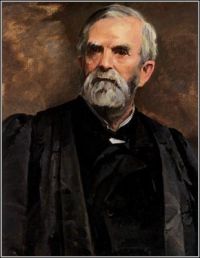
 William Burnham Woods,
Call v. Palmer — Opinion of the Court
William Burnham Woods,
Call v. Palmer — Opinion of the Court
“ Myers, 51 Iowa, 397, it was held to be 'well settled that when an agent for loaning money takes a bonus or commission to himself beyond the legal rate of interest, without the knowledge, authority, or consent of his principal, it does not affect with usury the loan of the principal.'These decisions seem to be founded on plain principles of justice and right. For when two persons, the agent and the borrower, conspire together, and for their own purposes violate the law, how can punishment for their acts be justly imposed on the innocent third party, the lender? ”
