Summary

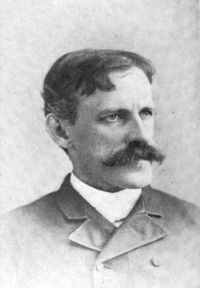
Portrait of William Elliot Griffis William Elliot Griffis The Story of New Netherland — Chapter XXIII: Jacob Leisler… (1909)

Scores of Dutchmen fawned on the English governors, securing fat offices and arrogating to themselves luxury and privileges unknown in simpler days. These were the men who had secured for New York City the flour monopoly, which took away from other places the right to bolt meal, that is, to sift out the bran and make flour.
Source: Wikisource

Portrait of William Elliot Griffis William Elliot Griffis The Story of New Netherland — Chapter XXIII: Jacob Leisler… (1909)

The people of New York were wild with joy. The French immigrants, who had never slept a night without fear lest King James II might make alliance with the French, and send an army from Canada to invade New York and ship them all back to France, were now sure of safety and freedom. The Dutch rejoiced because England had a king of their own blood and liberal ideas. On Manhattan the situation was critical, for the office-holders, being all the creatures of James, had power to work mischief.
Source: Wikisource

Portrait of William Elliot Griffis William Elliot Griffis The Story of New Netherland — Chapter XXIII: Jacob Leisler… (1909)

Their feelings, as members of the Dutch Church, which in Patria had always stood for the freedom of the people, were outraged. They were bitterly disappointed in their ministers. Almost to a man, the free farmers sided with Leisler. In the towns, while the people were divided, the majority favored the ruler whom the people had chosen.
With the whole populace — the Domines and the wealthier classes on one side, and the plain people and anti-monopolists on the other — ranged in two opposite camps, there was something like civil war.
Source: Wikisource

Get perspective with Kwize: daily news enlightened by great literature